2022. október 30. 00:05
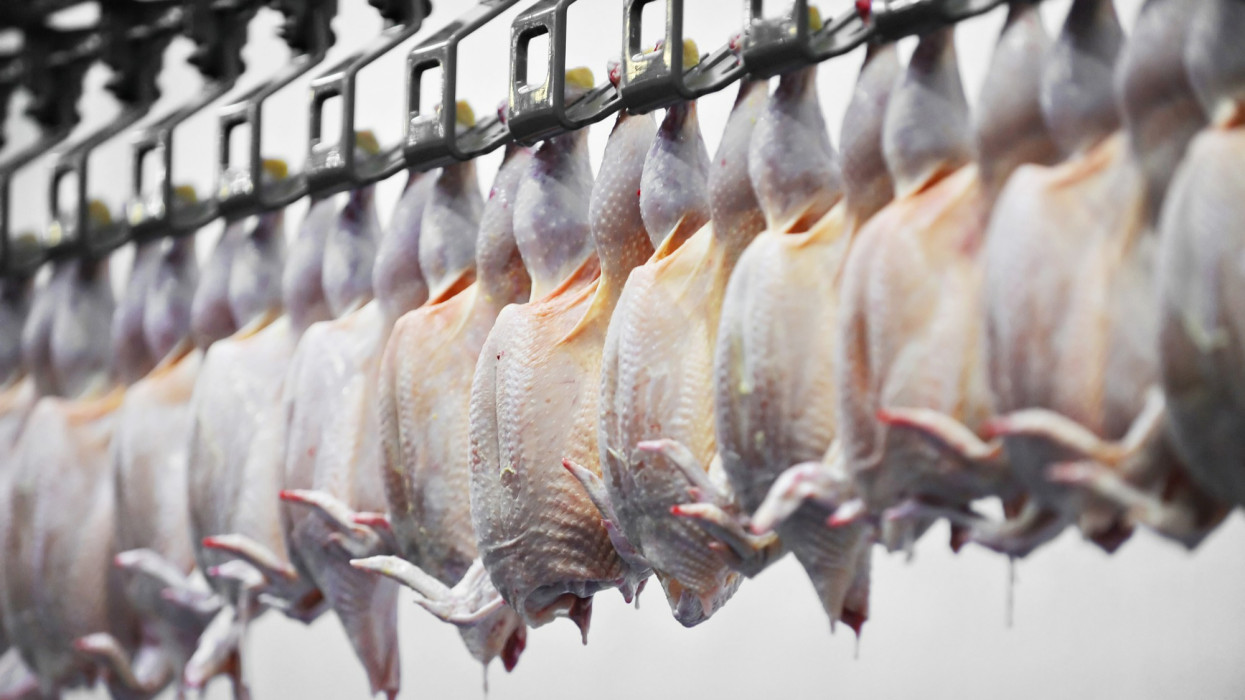
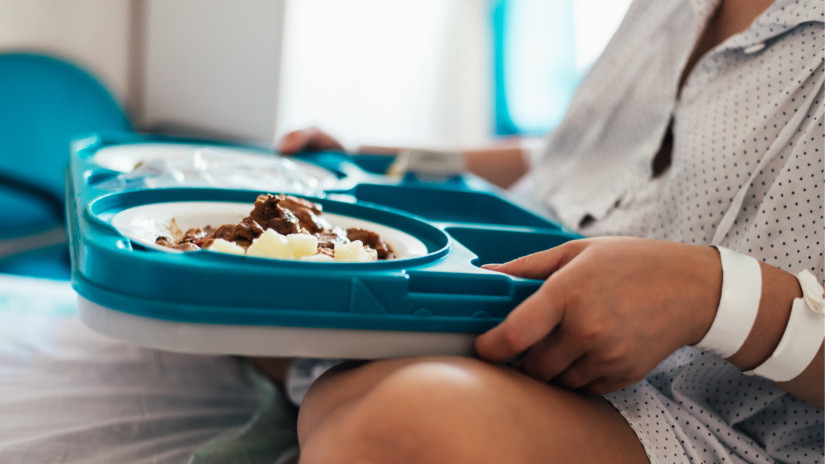
Food waste: 127 kg per inhabitant in the EU in 2020
In 2020, the first year of the COVID-19 pandemic, around 127 kilogrammes (kg) of food per inhabitant were wasted in the EU. Households generated 55% o...
In 2020, the first year of the COVID-19 pandemic, around 127 kilogrammes (kg) of food per inhabitant were wasted in the EU. Households generated 55% o...
EIB, European Commission and ECBF Management GmbH launch circular bioeconomy fund with a target size of €250 million.
On 12 December 2018 EU ambassadors endorsed a deal with the European Parliament on new rules for placing fertilising products on the EU market.
This autumn, 13 million tonnes of sugar beet pulp will be produced in Europe. Now, thanks to new bio-based technologies, its value for producers can b...
In December 2015 the Commission adopted an ambitious Circular Economy Package including legislative proposals on waste with recycling and landfill red...
The Commission presents first deliverable of Circular Economy Package with new rules on organic and waste-based fertilisers in the EU.
A mycotoxin is a toxic secondary metabolite produced by organisms of the fungi kingdom, commonly known as moulds. The term 'mycotoxin' is usually rese...